
From Sorry Baby to The World of Love: Another Possibility for Female Trauma Narratives
By shifting the lens from “what happened” to “how to live afterwards,” modern female trauma narratives transform survivors from passive victims of harm into active narrators of their own lives.
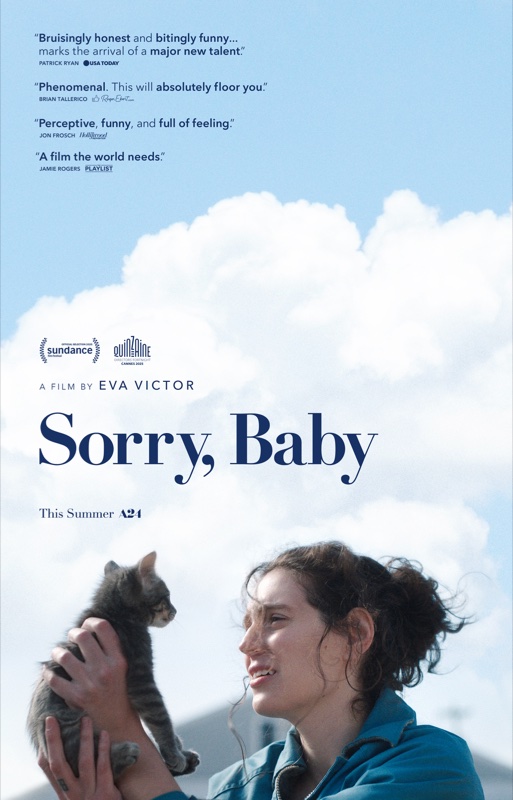
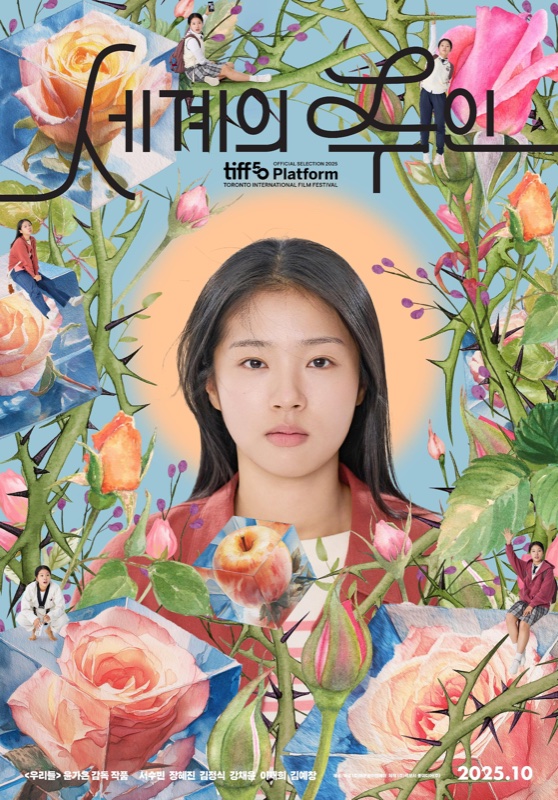
In traditional female trauma stories, audiences are often put in a position like an outsider, forced to witness the “harm” itself. But in Eva Victor’s Sorry Baby and Yoon Ga-eun’s The World of Love, we see another way to tell these stories.
Making “pain” visible is no longer the only way to talk about trauma.
In Sorry Baby, the director cleverly avoids showing explicit sexual violence. Instead, the camera stays on a beautiful house in a fixed long take—capturing Agnes walking through the door with confidence during the day, and running away late at night, shaken and disheveled. By leaving so much unsaid, the director makes an unspoken reality completely clear.
The World of Love shows the protagonist’s trauma in an even quieter way. The movie deliberately delays revealing the truth; it is not until halfway through the story, when Ju-in confesses, “I am a victim of sexual assault,” that we finally piece together what really happened.
When stories stop focusing only on the “harm” itself, we see how people who went through hardship learn to coexist with their experiences.
Agnes chooses neither silence nor escape. She talks to her friends, speaks out against systemized injustice, and tries to heal herself after the trauma. She may not start a big public fight, but her refusal to back down or forget is a quiet form of resistance on its own.
Ju-in also refuses to let trauma run her life. She breaks down and cries, but she rejects the notion that those who faced misfortune are doomed to stay miserable. To avoid signing the appeal paper, she willingly opens up her old wound again. When she keeps pinching a young girl’s shoulder, it is her way of teaching her: “When it hurts, speak up.” Rather than waiting to be saved, she uses her own voice to urge others to be bold and speak out.
We often connect people who experienced trauma with the word “victim,” thinking they need pity, kindness, and saving. But through the eyes of these two directors, they are no longer “pitiable figures” who need protection. They are brave women standing up for themselves. The pain may stay with them for life, but even with those scars, they are still in control of their own worlds.
This is precisely what makes Sorry Baby and The World of Love so meaningful. These female directors refuse to turn female trauma into a spectacle for people to stare at, nor do they turn their characters into simple symbols of suffering. In their movies, pain is not ignored, but it is no longer the whole story. The people who used to be labeled as “victims” get to be real, complex human beings who take real action and hold the right to tell their own stories on their own terms.
When narrative turns from “what happened” to “how to live afterwards,” those once shadowed by tragedy step out of being passive objects and become the ones telling their own stories.
Maybe this is the other possibility for female trauma narratives: not teaching us how to look at the wound, but showing us that beyond those scars, life can still bloom.